Navigating the Storm: Why You Absolutely Need a Drug Possession Attorney
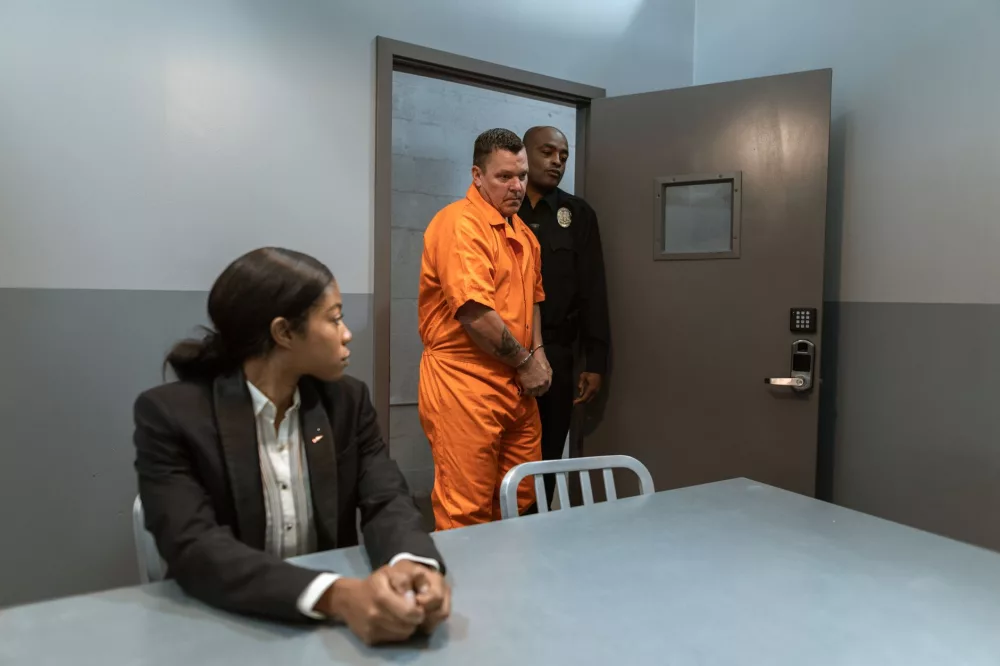
Facing Drug Possession Charges? It's a Serious Situation.
When you're hit with a drug possession charge, it can feel like your whole world just got turned upside down. Trust me, I understand the fear, the confusion, and the overwhelming sense of dread that washes over you. It's not just a minor hiccup; we're talking about something that could genuinely alter your future in ways you might not even realize yet. These charges, whether for a small amount of marijuana or something far more serious like heroin or cocaine, carry hefty potential penalties. You could be looking at significant fines, time behind bars, a criminal record that follows you for years, and even losing things you hold dear, like your job, your professional license, or your freedom to live where you want. That's why, right from the very start, my biggest piece of advice is simple: you need a qualified, experienced drug possession attorney. It's not a luxury; it's a necessity.
The Stakes Are Higher Than You Think
People often underestimate the severity of drug possession laws. They think, "Oh, it's just a small amount, I'll probably get a slap on the wrist." But that's rarely the case. Laws vary wildly from state to state, and even within the same state, different circumstances can elevate a misdemeanor to a felony. The type of drug, the quantity, where you were found with it, and your prior record all play a crucial role. For instance, being found with a controlled substance near a school zone can instantly ramp up the charges and potential penalties. Without someone who genuinely understands these intricate legal nuances, you're essentially walking into a courtroom blindfolded, and that's a gamble I wouldn't wish on anyone.
What Exactly Does a Drug Possession Attorney Do For You?
You might be wondering, "Okay, I get it, I need one, but what do they actually do?" Well, their role is multifaceted and absolutely critical. It's not just about showing up in court and saying a few words; it's a whole strategic process designed to protect your rights and achieve the best possible outcome.
Initial Assessment and Investigation
First off, a good attorney is going to sit down with you, listen to your story without judgment, and get every single detail. We'll go through what happened leading up to the arrest, what was said, what was found, and how law enforcement acted. This initial conversation is incredibly important because it helps us start building your defense. We'll then launch our own investigation, which might involve:
- Reviewing police reports: We scrutinize every word, looking for inconsistencies or procedural errors.
- Interviewing witnesses: Sometimes, a different perspective can shed new light on the situation.
- Examining evidence: We'll look at the chain of custody for the alleged drugs, lab results, and any other physical evidence.
- Analyzing traffic stop or arrest footage: If there's dashcam or bodycam footage, you bet we want to see it!
Challenging the Evidence and Police Procedure
One of the most common and effective strategies we employ involves challenging how the evidence was obtained. Did the police have probable cause to stop you? Was the search warrant valid, or was the search conducted illegally without one? The Fourth Amendment protects us from unreasonable searches and seizures, and if those rights were violated, we can move to suppress the evidence. If the court agrees that the evidence was obtained unlawfully, it can't be used against you, which often leads to a dismissal of charges.
Negotiation and Plea Bargaining
Many drug possession cases don't actually go to trial. Instead, they're resolved through plea bargains. This is where your attorney's negotiation skills really shine. We can often negotiate with prosecutors to reduce charges, lower penalties, or even propose alternative sentencing options like drug diversion programs, which focus on rehabilitation rather than incarceration. My goal in these negotiations is always to minimize the impact on your life.
Courtroom Representation
If a favorable plea bargain isn't possible, or if you choose to fight the charges in court, your attorney will be your staunch advocate. We'll prepare your case meticulously, present arguments, cross-examine witnesses, and do everything within the bounds of the law to defend you. Having an experienced legal mind guiding you through the complex courtroom procedures is absolutely invaluable.
Common Defenses We Might Explore
Every case is unique, but there are several common defense strategies we often consider:
- Lack of Knowledge: "I didn't know the drugs were there," or "Those weren't mine." This defense works if we can prove you weren't aware of the substance's presence or its illegal nature.
- Unlawful Search and Seizure: As I mentioned, if the police violated your Fourth Amendment rights, the evidence might be thrown out. This is a powerful defense.
- Mistaken Identity: Sometimes, you're just in the wrong place at the wrong time, and law enforcement incorrectly attributes possession to you.
- Valid Prescription: If you have a legitimate prescription for the controlled substance found, then you haven't committed a crime.
- Chain of Custody Issues: The prosecution needs to prove that the evidence collected was handled properly and hasn't been tampered with. Breaks in the chain of custody can cast doubt on the evidence's integrity.
- Entrapment: This occurs when law enforcement induces someone to commit a crime they wouldn't have otherwise committed.
Identifying the most viable defense strategy requires a deep understanding of the law and a thorough review of your specific situation. That's a job for an expert.
Choosing the Right Attorney: It Matters!
Okay, so you're convinced you need an attorney. Great! Now, how do you pick the *right* one? It's not like buying a new car; this is about your freedom and your future. Here are a few things I'd recommend you look for:
- Experience in Drug Cases: Don't just pick any lawyer. You want someone who specializes in criminal defense, and ideally, has a significant track record with drug possession cases in your specific jurisdiction. Laws vary, and local court procedures are different too.
- Reputation: Check online reviews, ask for referrals, and see if they're respected within the legal community.
- Communication Style: You need an attorney who can explain complex legal concepts in plain English, keeps you updated, and makes you feel comfortable asking questions. You don't want to feel left in the dark.
- Comfort Level: This person is going to be your confidant during a really tough time. You should feel comfortable and confident in their abilities and their commitment to your case.
Meeting for an initial consultation, which many attorneys offer for free, is a great way to gauge these factors.
Don't Go It Alone
Look, facing a drug possession charge is scary. It's stressful, it's confusing, and it feels like the system is stacked against you. But you don't have to navigate it all by yourself. A skilled drug possession attorney isn't just a legal representative; they're your advocate, your guide, and your protector through what might be one of the most challenging experiences of your life. We're here to fight for your rights, challenge the prosecution, and work tirelessly to achieve the best possible outcome. Don't delay; the sooner you get legal help, the better your chances are. Your future is too important to leave to chance.
About Editorial Team
Senior columnist and culture critic specializing in architectural designs, emerging high-growth systems, and contemporary philosophies.
Contact Desk
Have an editorial inquiry or custom partnership idea? Reach our team directly.
Related Dispatches